2 hr 30 min
Mangrove Kayak & Snorkel Adventure
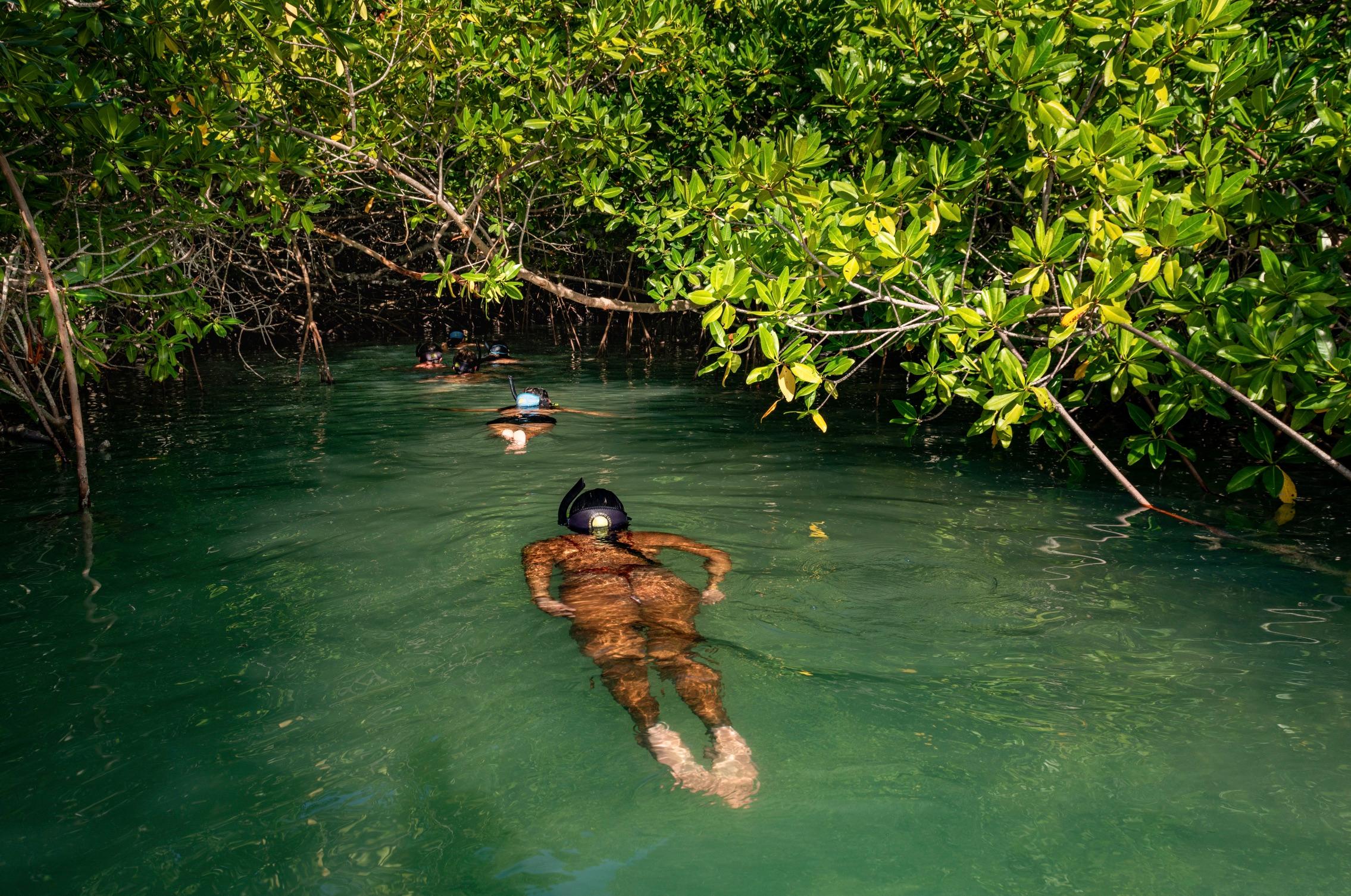
Paddle through pristine mangroves and snorkel hidden underwater ecosystems on this eco-focused journey
Reserve
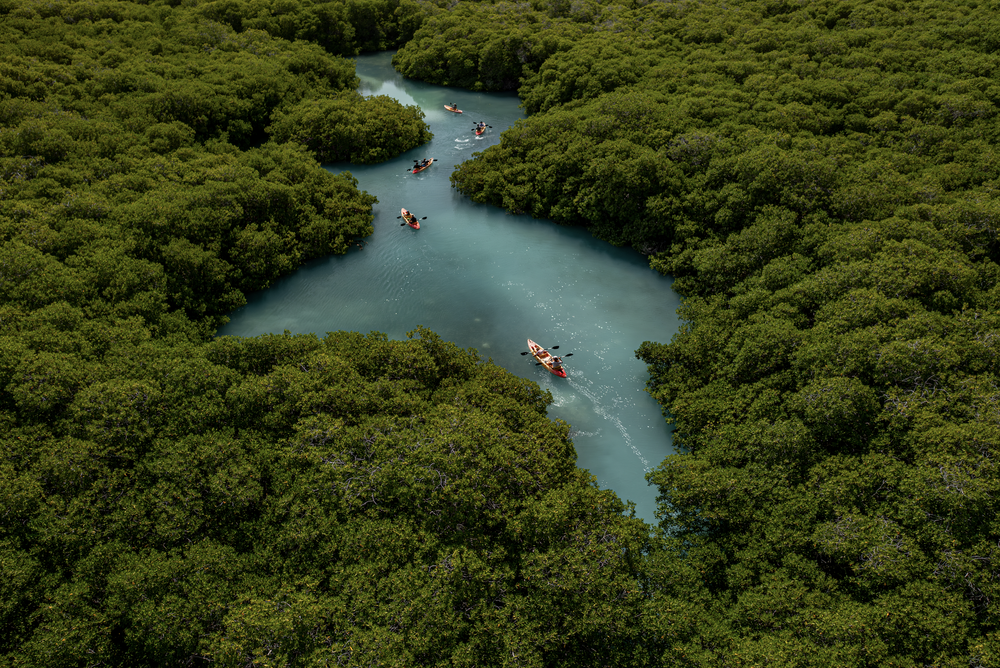
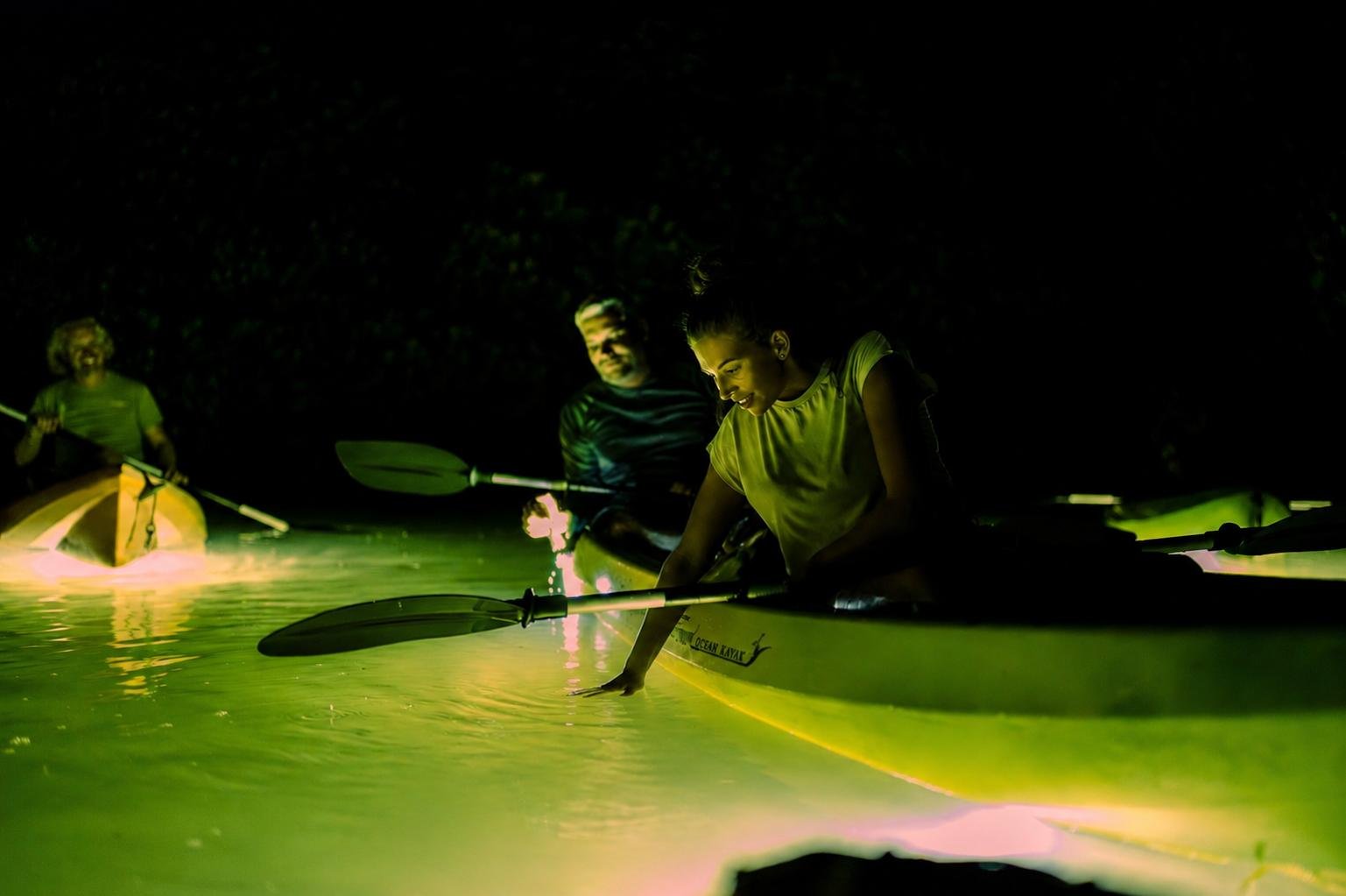
Paddle beneath rooted canopies, where juveniles shelter and carbon sinks grow
Hand-picked by our editors — only the best 3 mangrove experiences from 12 reviewed.
Verified partners for Bonaire Mangrove tours, free cancellation where available, and instant confirmation on every booking.
2 hr 30 min
Paddle through pristine mangroves and snorkel hidden underwater ecosystems on this eco-focused journey
Reserve
1 hr 30 min
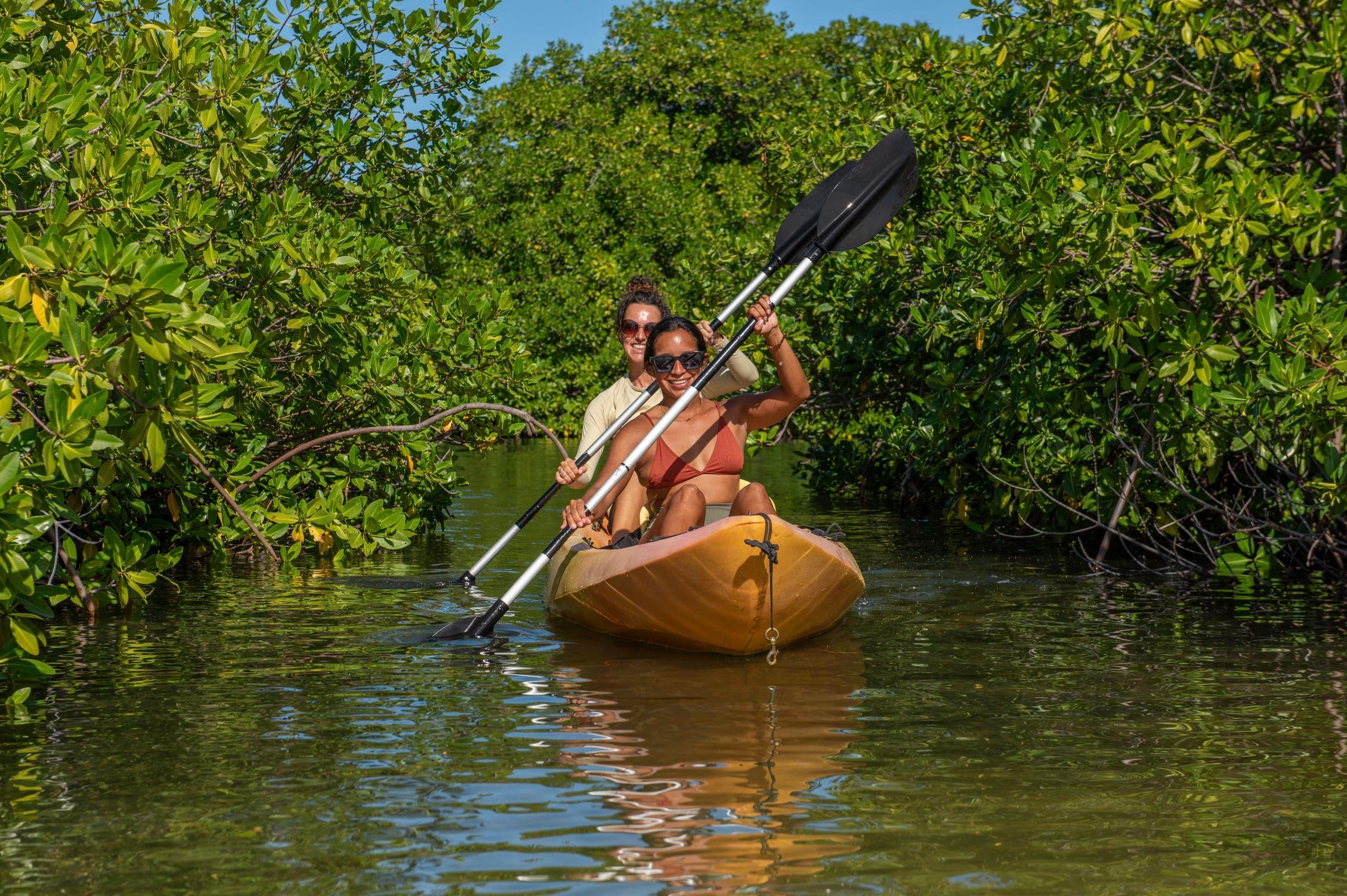
Paddle through Bonaire's serene mangrove forests on a guided eco-tour through Lac Bay's protected waters
Reserve
3 hr 30 min
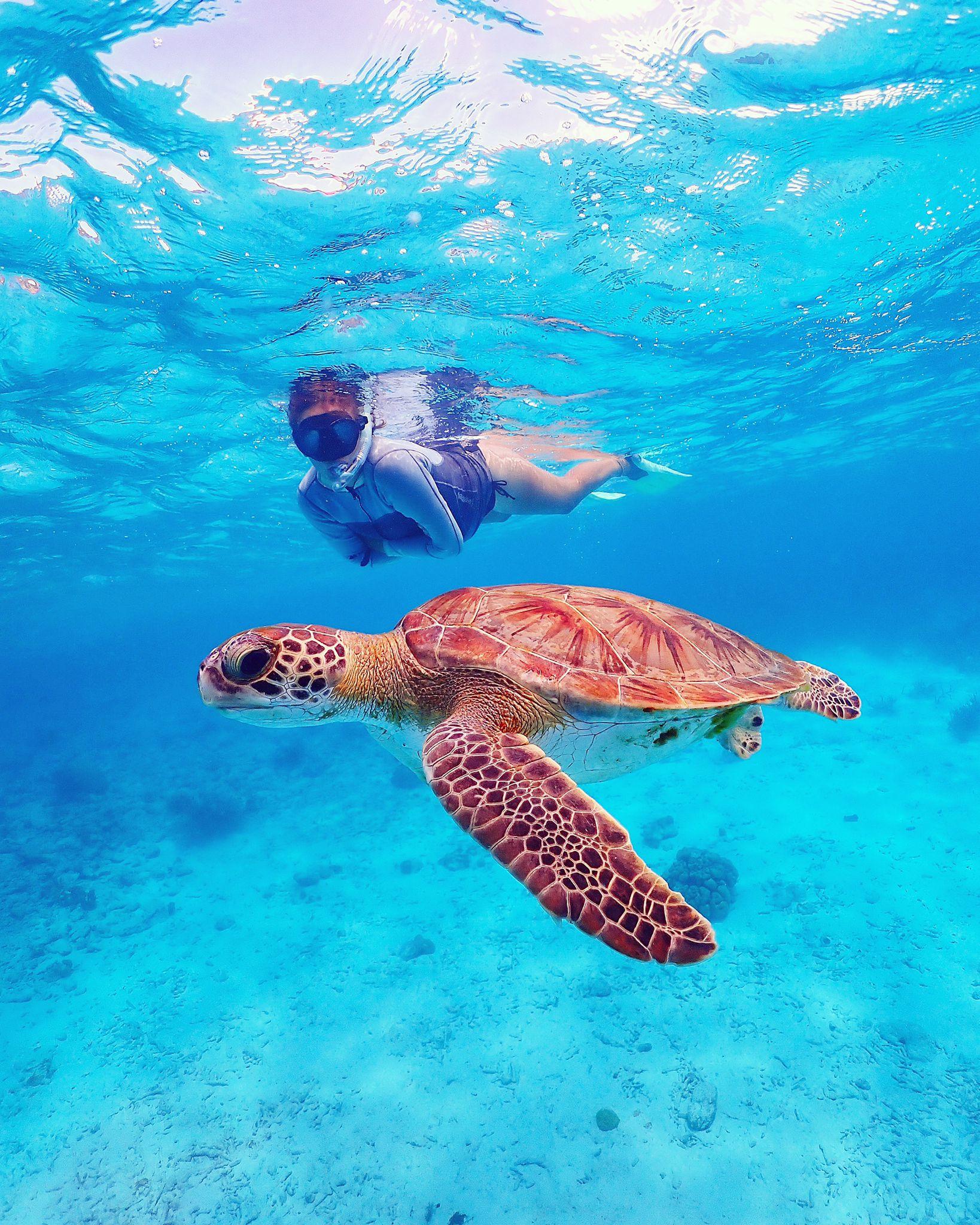
Half-day snorkeling excursion to two pristine reef locations with expert guides and sea turtle sightings
ReservePrices from verified partners. Availability updates in real time at checkout. Free cancellation policies apply where shown.
The landmarks, rooms, and views travelers on Bonaire Mangrove tours remember — all visible on a single visit.
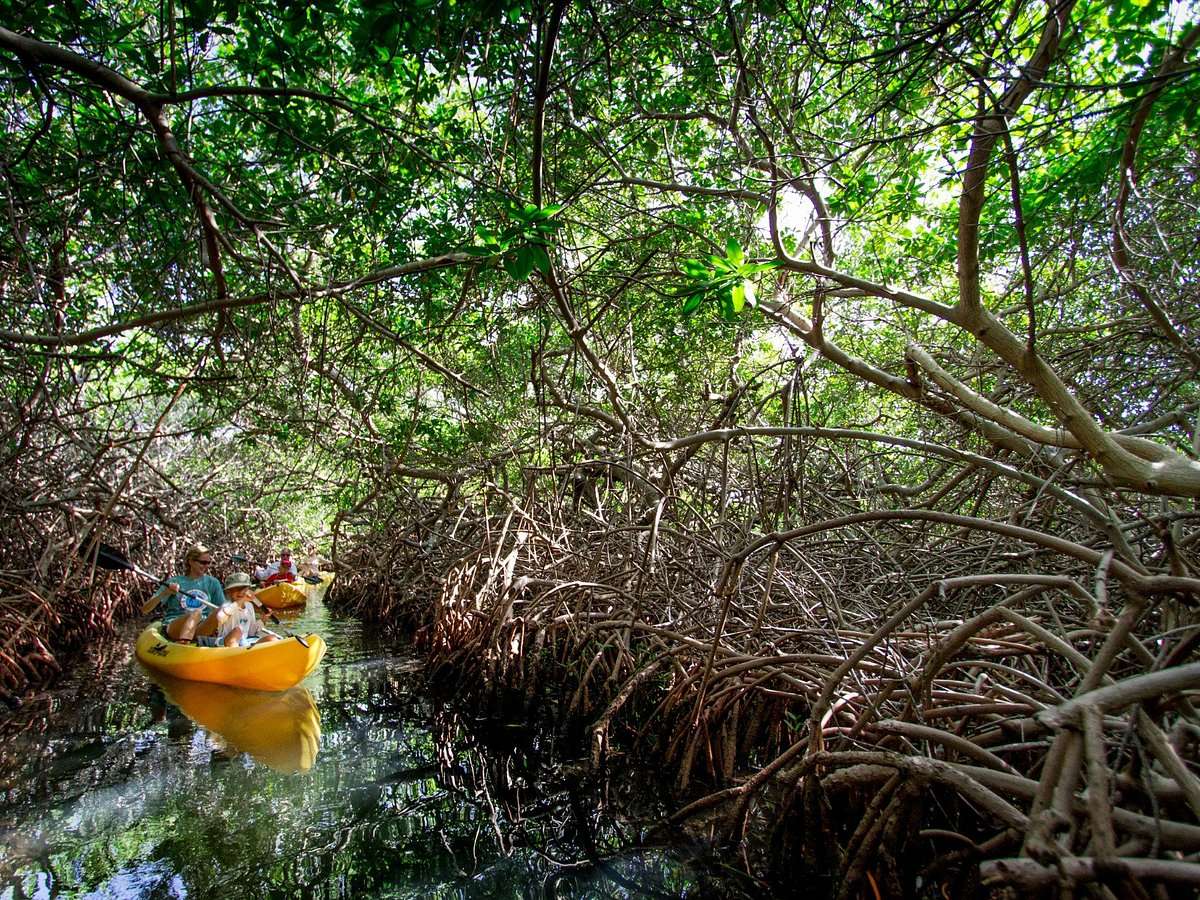
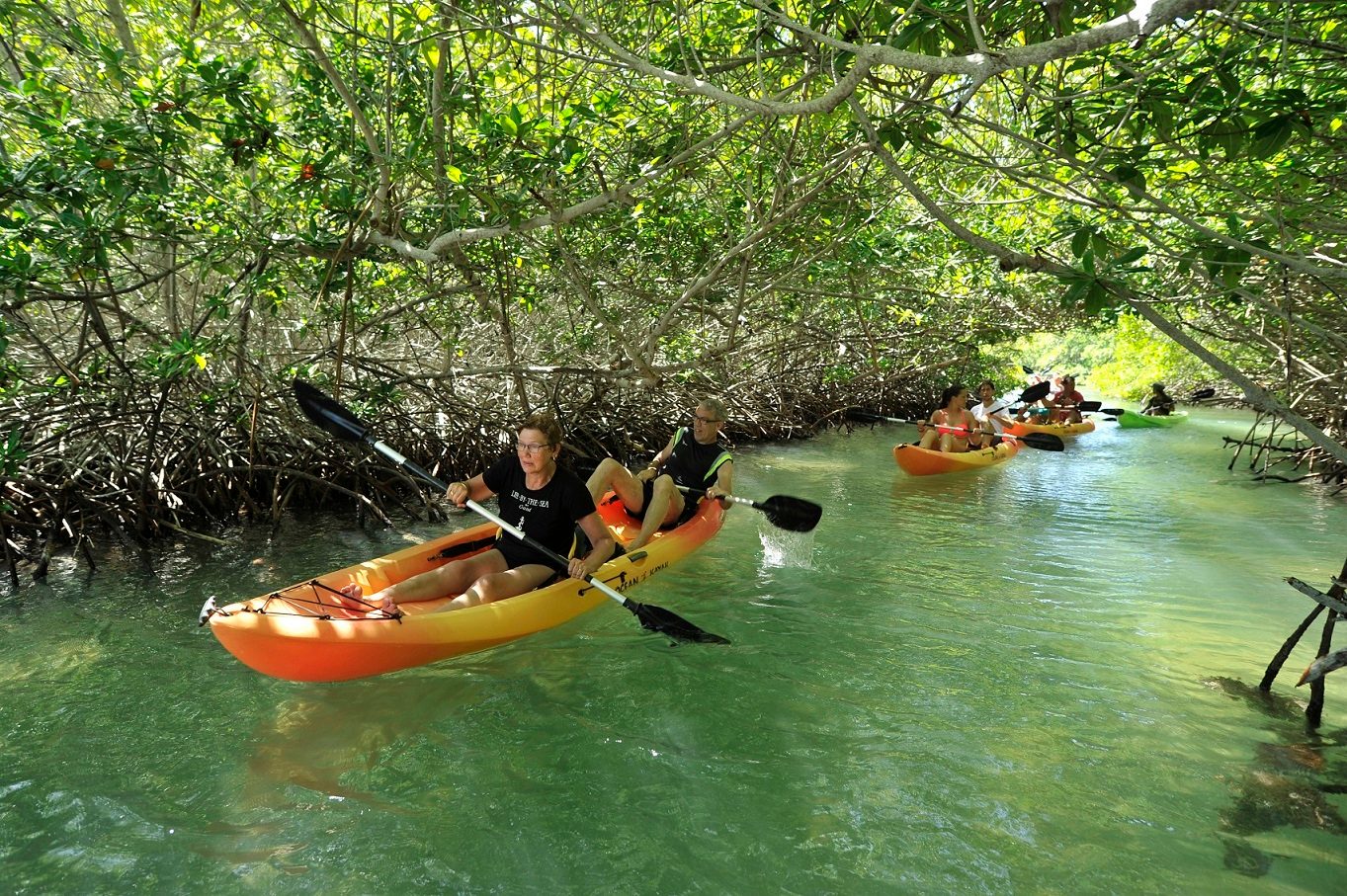
Paddle through narrow, ancient channels that form a natural canopy over the water.
Observe juvenile reef fish and sea turtles foraging in these vital underwater meadows.
Discover why this protected area is essential as a breeding ground for regional marine species.
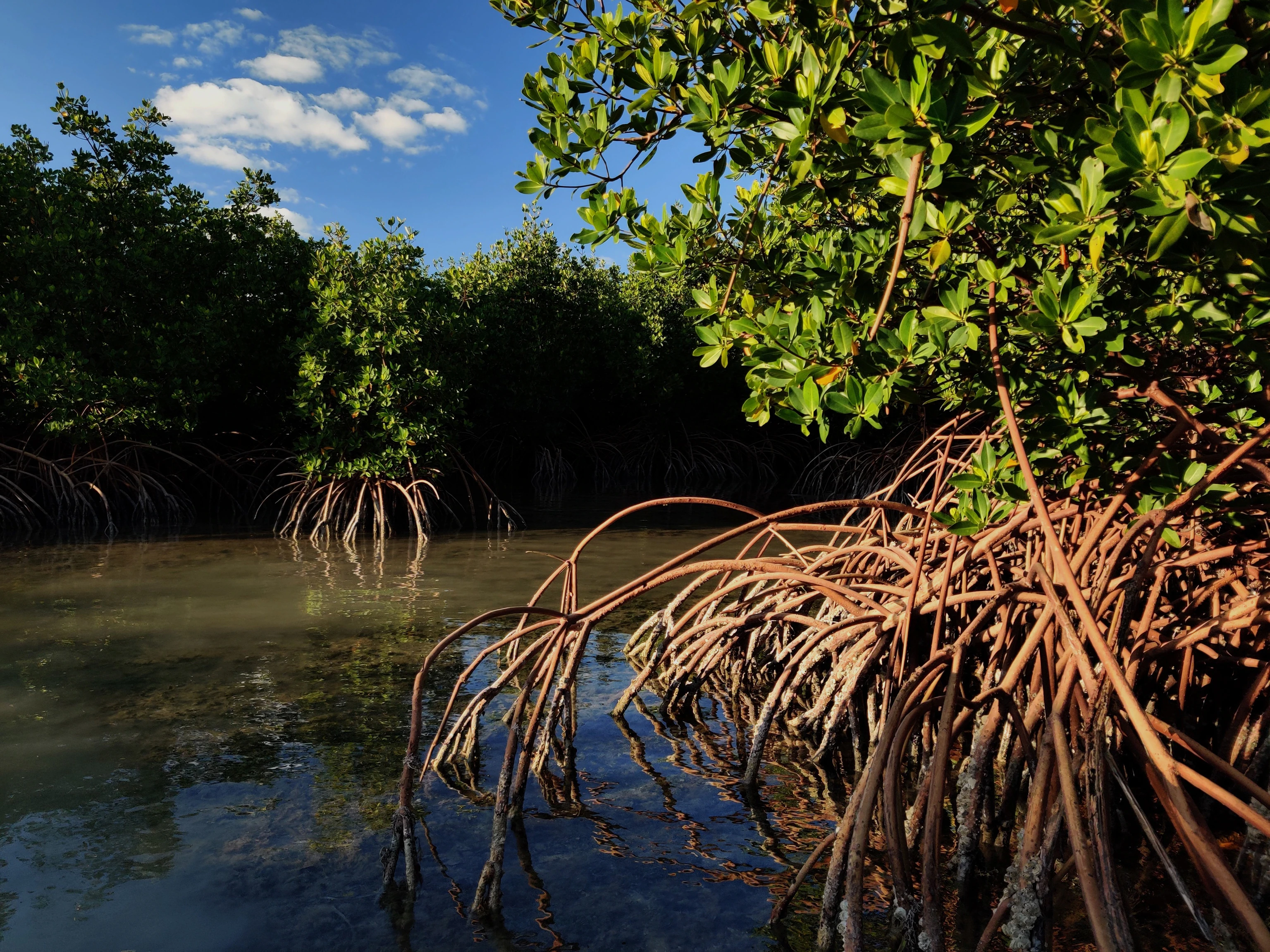
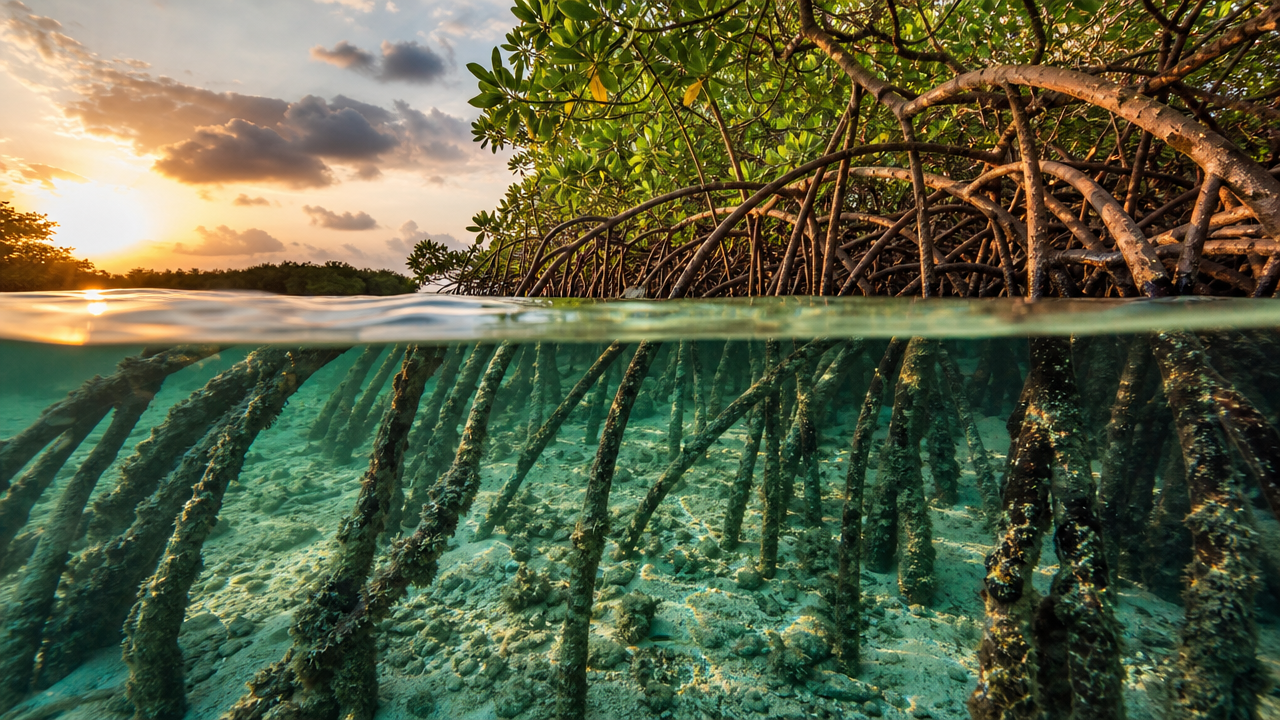
View the unique adaptations of Red Mangrove trees that filter salt from the Caribbean water.
Spot various tropical birds nesting in the quiet, protected branches of the forest.
Every Bonaire Mangrove tour side-by-side — duration, what's included, how you redeem.
| Experience | Duration | Rating | Guide | Small group | Free cancel. | Price | |
|---|---|---|---|---|---|---|---|
|
Standard Entry Most popular
Mangrove Kayak & Snorkel Adventure
|
2 hr 30 min | ★ 4.7 | ✓ | ✓ | ✓ | €51 | Book → |
|
Standard Entry
Lac Bay Mangrove Kayaking Adventure
|
1 hr 30 min | ★ 4.9 | — | ✓ | ✓ | €34 | Book → |
|
Standard Entry
Marine Park Drift Snorkeling Adventure with Klein Bonaire
|
3 hr 30 min | ★ 4.9 | ✓ | ✓ | ✓ | €73 | Book → |
All prices from verified partners. Availability and exact terms confirmed at checkout.
Kayaking provides an immersive, active connection to the ecosystem, while the solar-powered boat offers a relaxed, panoramic vantage point for observing the Bonaire mangrove tour tours.
| Feature | Top pick Kayak Tour | Solar Boat Tour |
|---|---|---|
Physical exertion level |
High — self-paddled | None — seated passive observation |
Water proximity |
At water level | |
Group size |
Small guided groups | Up to 10 guests |
Noise level |
Quiet silent movement | Minimal motor hum |
Accessibility |
Requires physical mobility | Suitable for limited mobility |
Wildlife viewing angle |
Eye-level with roots | Elevated wide perspective |
| See tickets → |
Verdict: The kayak excursion is the superior choice for active travelers seeking an intimate encounter, whereas the solar boat tour is ideal for those prioritizing comfort and ease during their bonaire mangrove tour tour.
Choose your ticket, select your date, and reserve in under two minutes. Secure checkout handled by our verified partner.
Instant confirmation by email, with a mobile voucher you can save offline. No printing, no queuing at a collection desk.
Arrive at the entrance, show your voucher on your phone, and walk in. Most tickets include priority or skip-the-line access.
Practical details for Bonaire Mangrove tickets straight from our verified partners — hours, access, rules, and how to get there.
Wear light, quick-drying clothing and a UV-protective shirt for your bonaire mangrove tour. Sun protection including a hat and sunglasses is essential due to the high solar exposure on the water.
Lockers are provided at the center to secure your belongings during your bonaire mangrove tour. We recommend bringing only essential items, which can be stored in provided dry bags during the excursion.
Photography is encouraged, though visitors should remain in their kayaks to protect the ecosystem. A waterproof housing for your camera or smartphone is highly recommended for any bonaire mangrove tour.
While the center is accessible, the nature of a kayak-based bonaire mangrove tour requires physical mobility to enter and exit boats. Please inform staff of any specific needs when booking your tickets.
Mobile phones are permitted. Keep ringer off inside exhibition spaces.
Families are welcome on every bonaire mangrove tour, provided children can safely sit in kayaks. The calm, shallow waters of the bay make this a gentle introduction to nature for younger visitors.
Please carry sufficient water for your bonaire mangrove tour. Food is not available for purchase at the site, so guests are encouraged to plan dining in nearby areas like Sorobon after their session.
Pets are not allowed, with the exception of service animals with appropriate documentation.
Last entry is typically 1 hour before closing. Check the specific ticket for timing.
Best time to go, insider tips, nearby landmarks, and the cancellation fine print — flip through to skim what matters to you.
Flexible, no hidden fees.
Full refunds are available for cancellations made at least 24 hours before your scheduled bonaire mangrove tour. Entry to the center is 0 USD, but guided tours are mandatory for bay access.
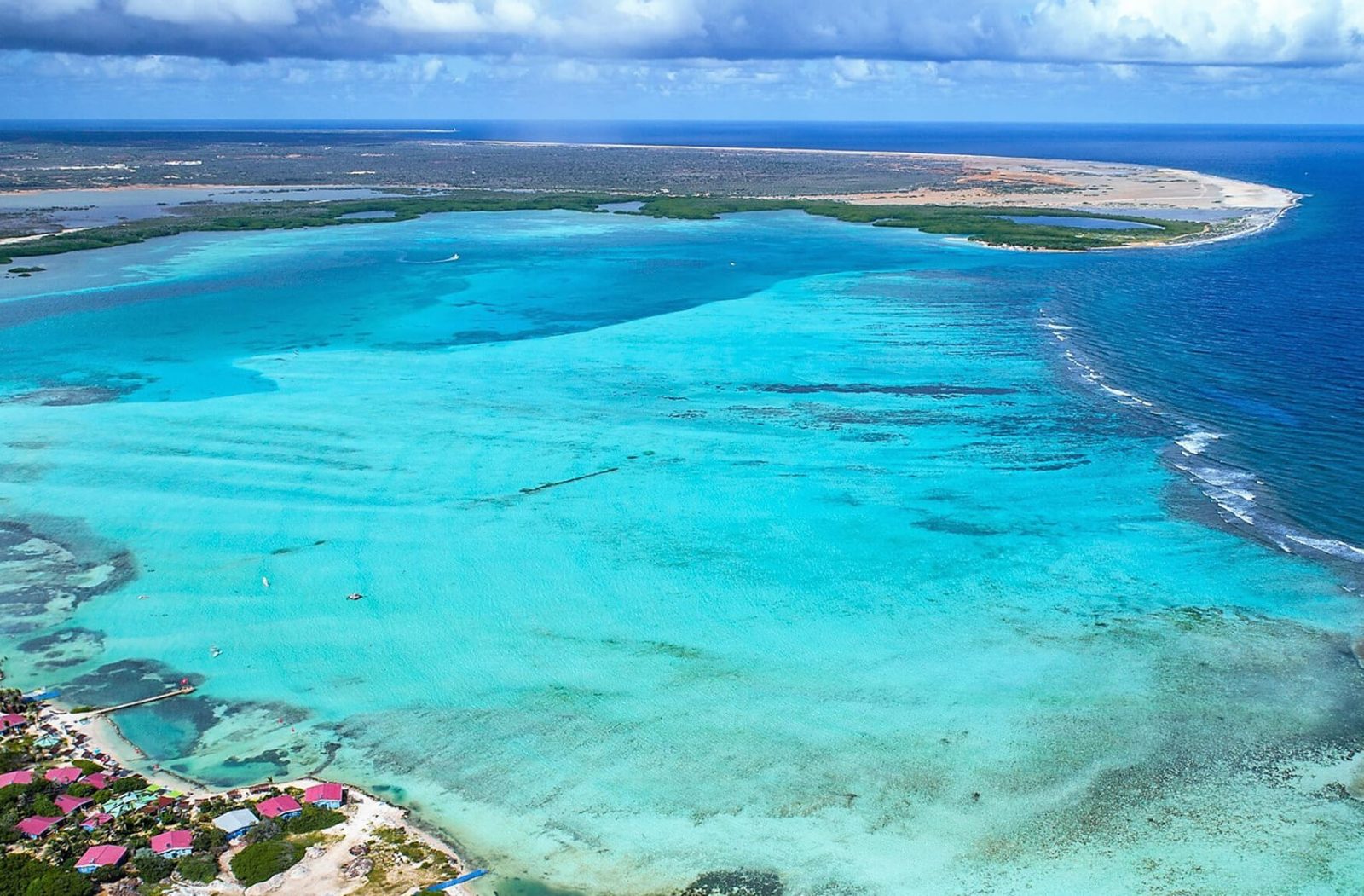
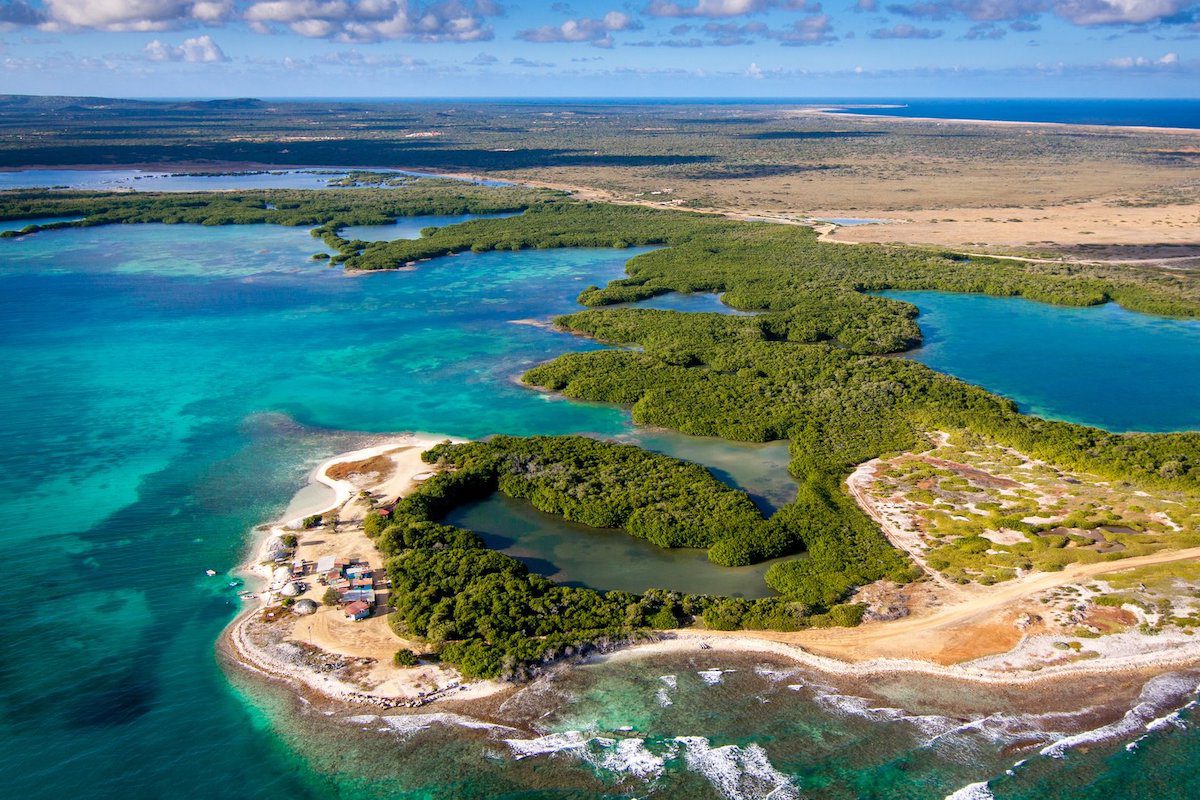
Lac Bay's 750 hectares of red mangrove forest constitute the largest continuous stand in the Netherlands Antilles, a labyrinth of prop roots and submerged channels that store an estimated 37 metric tons of carbon per hectare annually.
The Mangrove Center, established in 2003 by the non-profit STINAPA Bonaire, operates from a modest interpretive facility on Kaminda Lac where salinity gradients, dissolved oxygen levels, and juvenile fish densities are monitored weekly by resident biologists and visiting graduate researchers. Entry to the center's outdoor boardwalk and observation platforms is free; access to the interior channels requires participation in a guided tour launched from the center's dock, a policy enacted in 2009 to limit physical disturbance to the brittle root lattice and to prevent unintentional damage to coral larvae that settle among the submerged pneumatophores during spawning windows.
Red mangrove—Rhizophora mangle—anchors the visible canopy with its branching prop roots descending as much as three meters into the sediment, while black mangrove pneumatophores emerge as finger-like snorkels from anaerobic mud flats closer to shore. The forest serves as primary nursery habitat for over eighty species recorded in Bonaire's waters: queen parrotfish juveniles shelter between the roots during their first six months, yellowtail snapper fry cluster in shoals of several hundred individuals at high tide, and Caribbean reef squid deposit egg capsules on submerged prop roots during the new moon. Kayak tours navigate the narrower channels at slack tide, when current velocities drop below fifteen centimeters per second and visibility extends to two meters in the amber-tinted water filtered by tannins leached from decomposing mangrove leaves. Boat excursions cover broader transects through the deeper eastern channels where the forest transitions to seagrass beds, the boundary marked by a salinity shift from 38 to 34 parts per thousand measured at one-meter depth.
The mangrove boat tour routes pass the nesting rookeries used seasonally by brown pelicans and double-crested cormorants, while the mangrove kayak tour allows closer inspection of the root architecture and the invertebrate colonies—upside-down jellyfish, mangrove oysters, and Caribbean sea anemones—that colonize the submerged wood. The center's guides, certified through a six-week training program covering mangrove ecology, water safety, and species identification, enforce a no-touch protocol and provide laminated field cards illustrating the forty most commonly sighted species. Is Bonaire worth visiting for mangrove ecology alone? The stand rivals Florida's Ten Thousand Islands in structural complexity and exceeds it in fish density per square meter, a function of Bonaire's oligotrophic offshore waters that concentrate nutrient flux within the mangrove-seagrass corridor.

"The forest stores 37 metric tons of carbon per hectare annually, rivaling any terrestrial rainforest in sequestration efficiency."
A step-by-step walkthrough of Bonaire Mangrove tickets — what you'll see, how long each stage takes, and the details that matter.
You arrive at the Mangrove Center before 09:00, when the sun angle still favors the eastern channels and the morning's offshore breeze has not yet picked up.
After a fifteen-minute orientation covering paddling mechanics and the no-wake zones marked by yellow buoys, you launch your tandem kayak from the floating dock into a channel no wider than four meters, the water surface stippled with pollen grains shed by the overhanging canopy. Within five minutes you are inside the root lattice, the prop roots descending like cathedral columns on both sides, their bark hosting colonies of mangrove periwinkles that ascend and descend with the tidal cycle. Your guide pauses at a shallows where juvenile grunts hover in a loose aggregation, their lateral stripes faintly visible through the tannin-stained water, and points out the pneumatophores of black mangrove breaking the surface like a bed of wooden pencils.
You paddle deeper into the eastern arm, the channel widening to eight meters as the canopy opens overhead and the root density thins. A brown pelican lifts from a perch on a dead snag, wings spanning nearly two meters, and a small reef squid jets backward along the channel margin, its chromatophores flashing rust and cream. At the turnaround point, where the mangrove transitions abruptly to seagrass and the bottom drops to three meters, you pause to adjust your hat and drink from your water bottle before retracing the route back to the dock, the entire excursion lasting ninety minutes from launch to return.
Yes, the center is open daily from 08:30–17:00.
Booking ahead is highly recommended to secure your spot for a bonaire mangrove tour.
The best arrival window is 08:30–10:30 to enjoy calmer winds and better water clarity.
No, guided tours are required for mangrove access to protect the fragile ecosystem of Lac Bay.
Entrance to the center is 0 USD, but fees apply for the mandatory guided tours.
There are no strict age limits, provided guests can participate in kayaking safely.
Weather-related cancellations are fully refundable if the tour operator cancels your bonaire mangrove tour.
Staff provide specialized gear to ensure no damage occurs to the mangroves during your tour.
Yes, the calm, shallow waters of Lac Bay are ideal for family-friendly excursions.
You can visit the nearby Sorobon Beach for windsurfing or explore the Flamingo Sanctuary.